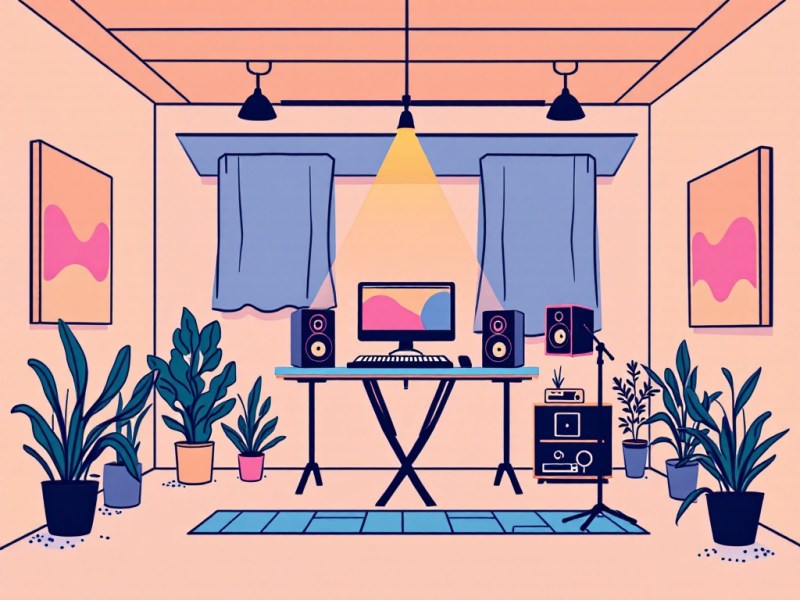
Preparing for a Recording Session – Setting Yourself Up for Success
A successful recording session begins long before you hit the record button. Proper preparation can make all the difference in capturing high-quality audio and ensuring a smooth workflow. In this post, we’ll explore essential steps to set yourself up for success in your home studio.
Pre-Session Planning and Organization:
- Define Your Goals: Clearly outline what you want to achieve in the session. Whether it’s recording a single track or an entire album, having a clear plan will guide your workflow.
- Create a Session Checklist: List all the tasks you need to complete before, during, and after the session. This includes setting up equipment, testing connections, and organizing files.
- Schedule Your Time: Allocate specific time slots for each part of the session, including breaks. This helps maintain focus, prevents burnout, and avoids losing perspective.
Equipment Checklist and Setup Tips:
- Select the Right Gear: Consider what equipment and techniques you’ll need to convey your desired message. Think about mic positioning, miking techniques, and effects that will enhance your sound. Choose gear that aligns with the style and emotion you want to express.
- Organize Your Space: Arrange your studio to minimize clutter and distractions. Ensure all necessary equipment is within easy reach.
- Use Templates or Prepare Your Setup: Use templates in your DAW or prepare your setup to start recording as quickly as possible. By automating repetitive tasks, you can focus more on the creative aspects of music production.
Creating a Comfortable Recording Environment:
- Set the Mood: Do whatever encourages vulnerability and comfort, such as adjusting lighting and temperature. This helps you feel safe to express your emotions and convey your message genuinely.
- Minimize Interruptions: Minimize distractions that are exterior to the production. Reducing these distractions is crucial because if you’re in a creative flow, spending too much time on setup tasks like preparing a track, amp, or DI for a guitar riff can cause you to lose your train of thought and your creative flow.
- Personalize Your Space: Add personal touches to your studio that inspire you. While plants and artwork work for many, choose elements that resonate with your unique creativity.
Workflow Tips to Maximize Efficiency and Creativity:
- Use Templates: Create session templates in your DAW to streamline setup. Include commonly used tracks and settings to save time.
- Label and Organize Tracks: Clearly label each track and use color coding to keep your session organized. Learn the abbreviations that professional engineers use to name tracks and instruments. This prepares you for future collaborations, whether hiring someone to mix your songs or inviting an artist to do a remix.
- Stay Flexible: While planning is crucial, be open to spontaneous creativity. Allow room for experimentation and improvisation.
Conclusion: By taking the time to prepare thoroughly, you can ensure a productive and enjoyable recording session. Effective preparation helps streamline your workflow and reduces stress, giving you more time and less mental clutter to focus on what you’re there for—creating music.
 Deer Hipster Studios